Who it's for
Anyone with cancer, and the people who love them
A campaign is one page for one person with cancer. Their people gather there with messages and photos, and with money if it would help. We built it because when someone you love gets sick, everyone wants to do something and nobody knows where to put it.
Breast cancerLung cancerProstate cancerColorectal cancerLymphomaLeukemiaMelanomaPancreatic cancerBrain and CNS tumorsPediatric cancersRare cancersAnd every other diagnosis
Who ends up on the page
The person with cancer, and everyone around them
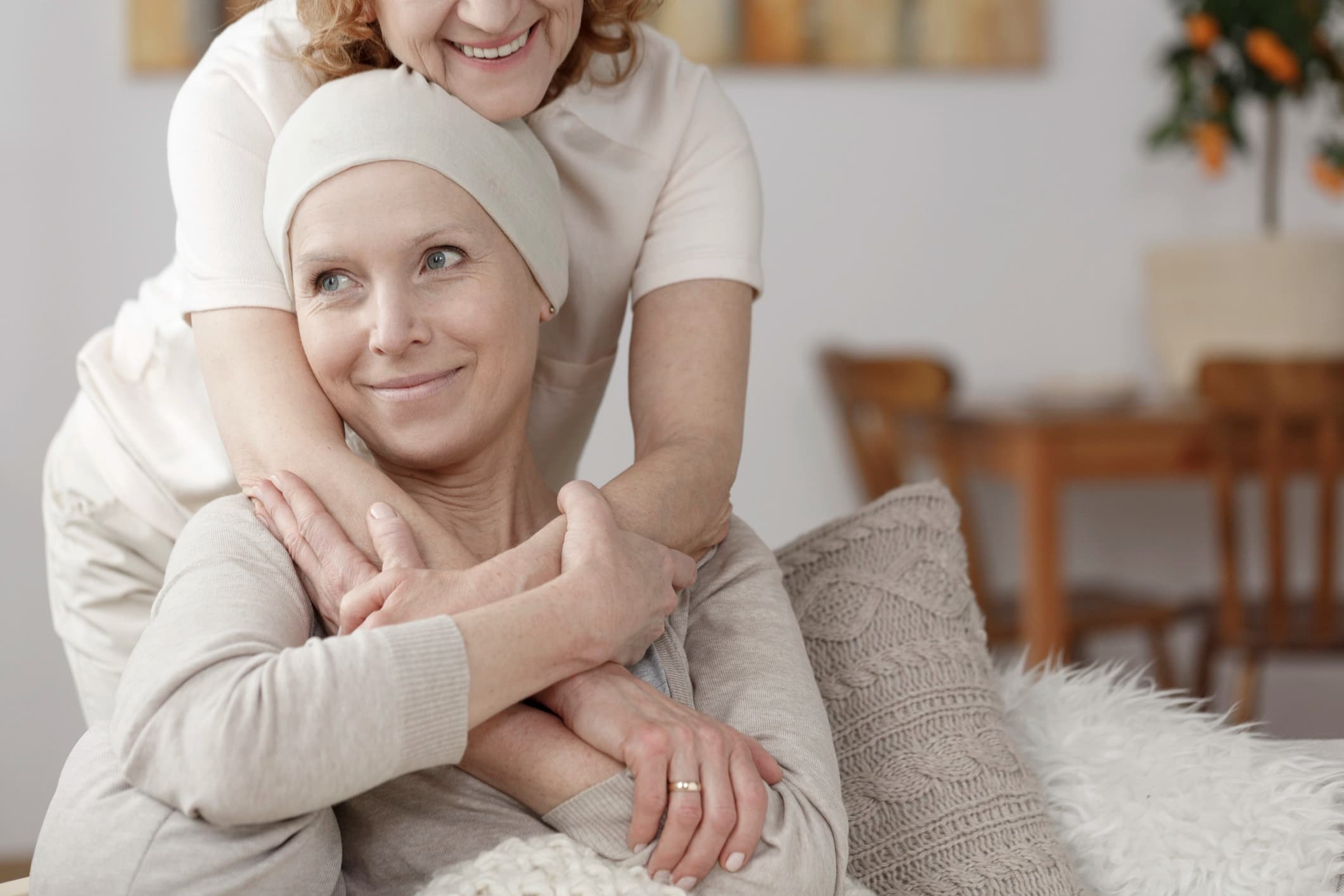
Anyone with a cancer diagnosis
Any kind, any stage, any age. The page is built for them, and they decide how much of it they want. Until they open it, nothing about their health is shown to anyone they didn't tell themselves. When they do, they can keep it, keep it with the money part turned off, or make it quiet.

What a campaign holds
Words first, then money if it helps
Most of what someone needs in treatment isn't money. It's knowing people are still there in month four.
Messages
Everyone who loves them writes on the same page: a memory, a bad joke, a photo from that trip. It's there to reread on the hard nights, and it keeps coming for as long as treatment does.
Updates
The Angel posts how it's going, to everyone or just to family or coworkers, so nobody has to ask and nobody hears it secondhand. Over time, supporters' photos and words can become a short highlight film the survivor keeps.
Gifts, if they'd help
Supporters can give by card through Stripe, toward whatever comes up: gas to radiation, childcare on chemo days, co-pays, groceries. We take no percentage. The only cost is Stripe's card fee, which we explain on the fees and payouts page.
Privacy
Their diagnosis stays theirs
A diagnosis is private. A campaign is built for the survivor, reached only by the link, and theirs to accept or decline.
Only the link gets you in
A campaign isn't listed anywhere, and search engines are blocked from it. If nobody sent you the link, you can't find it.
The survivor opens it first
Until then, the invite doesn't mention a diagnosis, supporters see how many people gave but not the amounts, and nothing can be withdrawn. When they open it, they decide what happens. The whole thing is spelled out on the how it works page.
No strangers
There's no public comment section and nothing to share to a feed. Everyone on the page got there because someone who knows them sent the link.
Why we built it
How this is different from a fundraising page
Our founder built this after his mom's diagnosis, when the family's love ended up scattered across ten group chats. A donation page wasn't the thing that was missing.
The page is built around the people
Other sites are built around a donation button. This one is built around the messages, the photos and the updates. The money part is there if the family needs it, and the survivor can turn it off.
It isn't public
There's no listing and no public/private switch to get wrong. The only way in is the link the Angel shares, and the survivor can make the whole thing quiet with one tap.
It's made for cancer
We're not a general fundraising tool. Updates to one group, the sealed envelope, the highlight film, memorial pages: all of it is for the long, uneven months after a diagnosis.